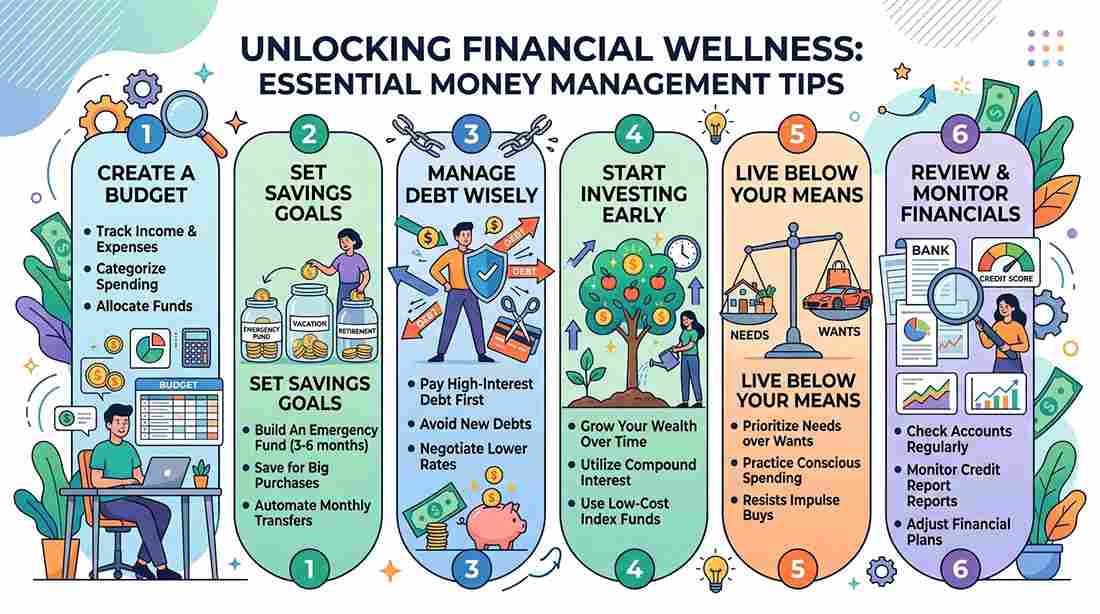
You earn in rupees. Your rent, school fees, and electricity bills rise faster than your salary increment. The savings account your father opened for you three years ago pays a profit rate that barely keeps pace with inflation. And somewhere in your phone, a fintech app offers “daily returns” that sound too good to ignore. This is the messy reality behind the search for money management tips Pakistan. It’s not just about pinching rupees. It’s about building a system that holds up through IMF reviews, fuel price hikes, and the annual summer spending spike.
Most advice you’ll find is either too vague—“spend less, save more”—or too technical, drowning you in ratios and asset classes without telling you where to start. This guide gives you something different: a specific, step-by-step framework for 2026, with real numbers, honest trade-offs, and a clear next action that doesn’t involve sending money to a stranger on WhatsApp.
Start With a Budget That Actually Reflects Life in Pakistan
Budgeting tips Pakistan usually start with a 50-30-20 rule imported from the US. It doesn’t translate well. In Karachi, Lahore, or Islamabad, the average household spends a far larger chunk of income on food, utilities, and fuel than that model assumes. A better starting point is a four-category split that mirrors how most Pakistani families actually live.
Essentials (55–65%) – Rent, groceries, utility bills, transport, school fees. If this number creeps above 70%, you’re in survival mode, and investment talk is premature. Fix the income side first.
Obligations (10–15%) – Loan repayments, credit card minimums, chanda, family support. If this bucket eats more than 20% of your income, renegotiate or consolidate debt before doing anything else.
Buffer (10%) – This is not savings. It’s a liquid cash reserve for medical emergencies, sudden travel, or a broken fridge. Keep it in a savings account or a money market mutual fund, not locked in a property file.
Future (10–15%) – Money that goes into investments, retirement accounts, or skill-building. This is the only bucket that builds wealth. The rest keeps you afloat.
| Income Slab (Monthly PKR) | Essentials | Obligations | Buffer | Future |
|---|---|---|---|---|
| Under 100,000 | 60–70% | 10–15% | 10% | 5–10% |
| 100,000–300,000 | 55–65% | 10–15% | 10% | 10–15% |
| 300,000+ | 50–60% | 10% | 10% | 15–20% |
These numbers aren’t rigid. But if your Future bucket is zero every month, you’re not managing money; you’re just paying bills until the next crisis. That’s a wake-up call.
Separate Your Buffer From Your Actual Savings
A mistake that shows up in household after household is treating one bank account as everything: salary comes in, bills go out, savings sit there earning half a percent. What happens then? You look at the balance, see six figures, and feel wealthier than you actually are. A month later, an unexpected expense wipes it out.
Open two accounts. One is your operational account for income and expenses. The second is a dedicated emergency account where the Buffer bucket lives. Don’t touch it unless the roof is leaking or a family member is in hospital. Use a high-yield savings account or a low-risk money market fund for this—something that at least partially offsets inflation. As of early 2026, with the State Bank of Pakistan’s policy rate having eased from its 2023 peak but still offering reasonable returns on savings products, a money market fund can pay several percentage points above a regular savings account. Check current rates with your bank or a licensed AMC.
Track the Leaks That No One Talks About
Most Pakistani families don’t overspend on big purchases. They overspend on small, invisible leaks. The daily chai and samosa from the office canteen. The mobile data top-up that doesn’t match the package you actually need. The subscription to an app you forgot existed, billed in dollars at a conversion rate you didn’t check.
For one month, write down every single transaction. Not a mental note. A physical notebook or a simple notes app entry every evening. At the end of the month, group them. You’ll find at least one category that’s draining 3–5% of your monthly income without you noticing. Fix that leak, redirect the money to the Future bucket, and you’ve just improved your financial position without earning a single extra rupee.
A small shopkeeper in Lahore who did this for 30 days discovered he was spending PKR 4,500 monthly on unplanned cold drinks and snacks for customers and staff. That’s PKR 54,000 a year—enough to fund a whole month of his daughter’s school fees. He didn’t cut it entirely. He set a budget of PKR 2,000, moved the rest to a separate account, and six months later had built a small emergency fund for the first time in his life. This isn’t about deprivation. It’s about awareness.
Invest Early, Even If the Amount Feels Embarrassingly Small
The biggest objection to investing in Pakistan is “I don’t have enough.” If you’re earning PKR 80,000 a month and supporting a family of four, you don’t have lakhs to put into real estate. You do have PKR 2,000 to PKR 5,000 a month that can go into an equity mutual fund or a Shariah-compliant income fund.
Open a mutual fund account through a licensed AMC like Al Meezan, HBL Asset Management, or UBL Fund Managers. Set up a monthly standing instruction. Forget about timing the KSE-100. Over 10 to 15 years, consistent small contributions compound into something meaningful. The Pakistan Stock Exchange traded at attractive valuations through early 2026, and the monetary easing that began in mid-2024 made equities more favorable for long-term investors. That’s not a prediction. It’s a reading of the current environment, and it’s worth discussing with a fund manager before you commit.
For dollar-holders or overseas Pakistanis, Naya Pakistan Certificates (NPCs) through a Roshan Digital Account offer dollar-denominated returns that beat most global deposit rates. As of early 2026, the 3-year USD NPC yield still makes sense. Verify the current rate on the State Bank of Pakistan website.
Guard Against the Expensive Advice You Get for Free
The most dangerous money advice in Pakistan usually arrives free of charge. It comes from a cousin who “knows a guy” in a real estate project. It comes from a YouTube channel that shows screenshots of trading profits but never mentions losses. It comes from WhatsApp forwards promoting a scheme that’s guaranteed to double your money in six months—a guarantee that disappears when the scheme collapses.
Regulated investments exist. The SECP lists every licensed asset management company, stockbroker, and insurance provider on its website. Cross-check anyone who asks you for money. If they’re not on that list, walk away. If they promise returns that sound extraordinary, demand a written offer document. If they can’t produce one, walk away faster.
Financial independence isn’t a one-time decision. It’s a pattern of habits: tracking where your money goes, keeping a cash buffer, protecting against scams, investing what you can in regulated instruments, and steadily increasing your earning capacity through skills. These are the real money management tips Pakistan that work across income levels and cities.
Where to Get Straight Answers in 2026
Reading articles helps. Having a face-to-face conversation with a fund manager, a State Bank official, or a licensed financial adviser helps more. The Money Matters Wealth Expo, Pakistan’s largest free financial literacy event, puts all of these people in one hall. The 2026 editions have already brought thousands of visitors to the Karachi Expo Centre in January and to the Pak-China Friendship Centre in Islamabad in April. The Expo is free, open to everyone—students, teachers, homemakers, salaried professionals, small business owners—and built on a simple idea: educate first, sell never.
If you’re serious about applying money management tips Pakistan that go beyond theory, walk into the next Money Matters Expo. Bring a notebook. Ask the uncomfortable questions about fees, lock-in periods, and what happens when you need your money early. Leave with a plan you can explain to your spouse in three minutes. That’s the real starting line.
FAQ Section
What is the 50-30-20 rule, and does it work in Pakistan?
The 50-30-20 rule suggests spending 50% on needs, 30% on wants, and 20% on savings. In Pakistan, high essential costs make this impractical; a 60-15-10-15 split (essentials, obligations, buffer, future) reflects local realities better, especially for incomes under PKR 150,000.
How much should I save every month if I earn PKR 100,000?
Aim to put at least PKR 10,000–15,000 into a combination of an emergency buffer and regulated investment products. If you can’t manage that yet, start with PKR 5,000 and increase the amount as you plug spending leaks.
Are savings accounts in Pakistan worth using?
Regular savings accounts often pay very low returns. Money market mutual funds and certain digital savings products offer better rates, with a lower spread below the policy rate. Check current yields with a licensed AMC.
Where can I learn about investments without being sold something?
The Money Matters Wealth Expo is a free, public education platform where banks, asset managers, and regulators share knowledge without a sales agenda. It ran in Karachi and Islamabad in 2026, with more cities expected.
Is gold a good investment for a middle-class family in Pakistan?
Gold is a useful hedge against rupee depreciation but doesn’t generate income. Allocate no more than 10% of your net worth to gold and focus the rest on income-producing or growth assets like mutual funds or NPCs.
What’s the safest place to keep an emergency fund in Pakistan?
A money market mutual fund or a high-yield savings account with a major bank. Avoid locking this money in real estate, files, or stock market positions you can’t liquidate within a week.
How do I check if a financial adviser is legitimate?
Search the SECP’s list of licensed advisers and the State Bank’s list of regulated institutions. Ask for their registration number and verify it online before sharing any personal financial information.
Can a student start investing with a small amount in Pakistan?
Yes. Many mutual funds allow initial investments as low as PKR 5,000. Students can also open a Roshan Digital Account if they have foreign income or a relative abroad, gaining access to Naya Pakistan Certificates.
How does inflation affect my savings in Pakistan?
Inflation erodes purchasing power. If your savings earn 8% but inflation is 12%, you’re losing 4% of real value each year. Choose savings instruments that aim to keep pace with or beat inflation over time.
When is the next Money Matters Wealth Expo happening in Pakistan?
After Karachi (January 2026) and Islamabad (April 2026), a Lahore edition is expected later this year. Follow the official Money Matters Wealth Expo LinkedIn page or Brand Accord’s social channels for confirmed dates.